Colintha Font for Professional Branding
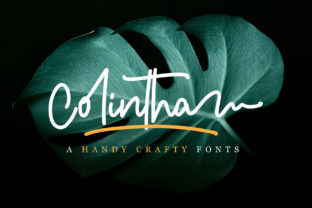
As a small business owner, I know how important it is to create a strong brand identity that stands out. One of the easiest and most effective ways to do this is through typography. Colintha, a sweet and cool handwritten font from Script Amp, has become a favorite in my creative toolkit. Its unique style brings a personal touch to any design, making it perfect for branding, marketing, and customer-facing materials.
Elegant Style with Practical Appeal
Colintha has a contemporary look that feels both modern and approachable. It’s a handwritten font with a clean, readable structure that avoids being too messy or difficult to read. This makes it ideal for a wide range of applications where you want to convey warmth and personality without sacrificing clarity.
The font’s soft curves and gentle slant give it a friendly and inviting mood. Whether you're designing a logo, packaging, or social media post, Colintha adds a sense of authenticity and charm that can help your brand feel more human and relatable.
Real-World Applications for Small Businesses
I've used Colintha across several different projects, and it always elevates the overall look. For example, when creating a bakery brand, I applied Colintha to the logo and menu design. The font gave the brand a warm, home-baked feel that resonated well with customers.
For handmade candle labels, I paired Colintha with a clean sans serif font for the product details. This combination kept the label stylish yet easy to read. Similarly, for a beauty product line, I used Colintha on the packaging and promotional flyers, which helped the brand feel more luxurious and personalized.
In my coaching business, I used Colintha for thank-you cards and email headers. It added a personal touch that made clients feel appreciated. For a café menu, I chose Colintha as the headline font because it created an inviting atmosphere that matched the café's vibe.
When to Use Colintha in Your Design
Colintha works best as a display font or accent typeface. It’s not meant for long blocks of text, but it shines in headlines, logos, and short phrases. When using it for a logo, make sure it remains legible at smaller sizes, especially if it will appear on business cards or signage.
On social media, Colintha can be used for Instagram posts, Pinterest graphics, or digital ads. Its visual appeal helps capture attention quickly. However, when using it for website banners or other digital content, test how it looks on different screen sizes to ensure readability.
Readability and Practical Tips
One of the key considerations when choosing a font is readability. Colintha is designed to be legible even in smaller sizes, making it suitable for product labels, stickers, and printed packaging. However, it's always a good idea to test it in real-world conditions before committing to it for your entire brand.
To maintain consistency, I recommend testing Colintha alongside other fonts you might use for body text. Pairing it with a clean sans serif or serif font can help balance the design and keep everything professional. For instance, using Colintha for headings and a simple sans serif font for body copy creates a harmonious and polished look.
Before using Colintha for any commercial purpose, such as on product packaging, templates, or client work, make sure to check the font’s licensing terms. Some fonts require specific permissions for commercial use, so it’s essential to understand what you’re allowed to do with it.
Creating a Cohesive Brand Identity
A consistent brand identity helps build trust and recognition among your audience. By using Colintha consistently across all your materials—logos, packaging, social media, and website visuals—you create a unified look that reinforces your brand message.
Whether you're running an online shop, managing a boutique, or offering services, having a cohesive visual identity makes your brand more memorable. Colintha contributes to this by adding a distinctive character that sets your business apart from competitors.
Using the same font across different platforms also ensures that your brand feels familiar and trustworthy. Customers are more likely to engage with a brand that maintains a consistent look and feel, which is why choosing the right font matters so much.
Getting Started with Colintha
If you're new to using custom fonts, start by experimenting with Colintha in different contexts. Try applying it to mockups of your logo, packaging, or social media posts. See how it looks in various sizes and color combinations. Once you're satisfied with the results, you can gradually incorporate it into your brand’s official materials.
Remember that typography is just one part of your brand’s visual identity. Combining it with thoughtful color choices, layout, and imagery will help create a complete and compelling brand experience for your audience.